- BIST10010,977-1.69%
- USD49.79+0.05%
- EUR55.52-0.41%
- GOLD4,004.10-0.68%
- INTEREST36.00%-1.00
- BITCOIN77,865+0.09%
- October 30, 202615°
- BIST10010,977-1.69%
- USD49.79+0.05%
- EUR55.52-0.41%
- GOLD4,004.10-0.68%
- INTEREST36.00%-1.00
- BITCOIN77,865+0.09%
- October 30, 202615°
Vance message to Rezaei offers direct talks in Istanbul or Doha
The Washington Post reported that U.S. Vice President J.D. Vance sent a message through Qatari mediators to Mohsen Rezaei, secretary of Iran’s Supreme National Security Council, offering to meet him in person to negotiate an end to the war and discuss the nuclear issue.
Hilal Times Editorial DeskUpdated:
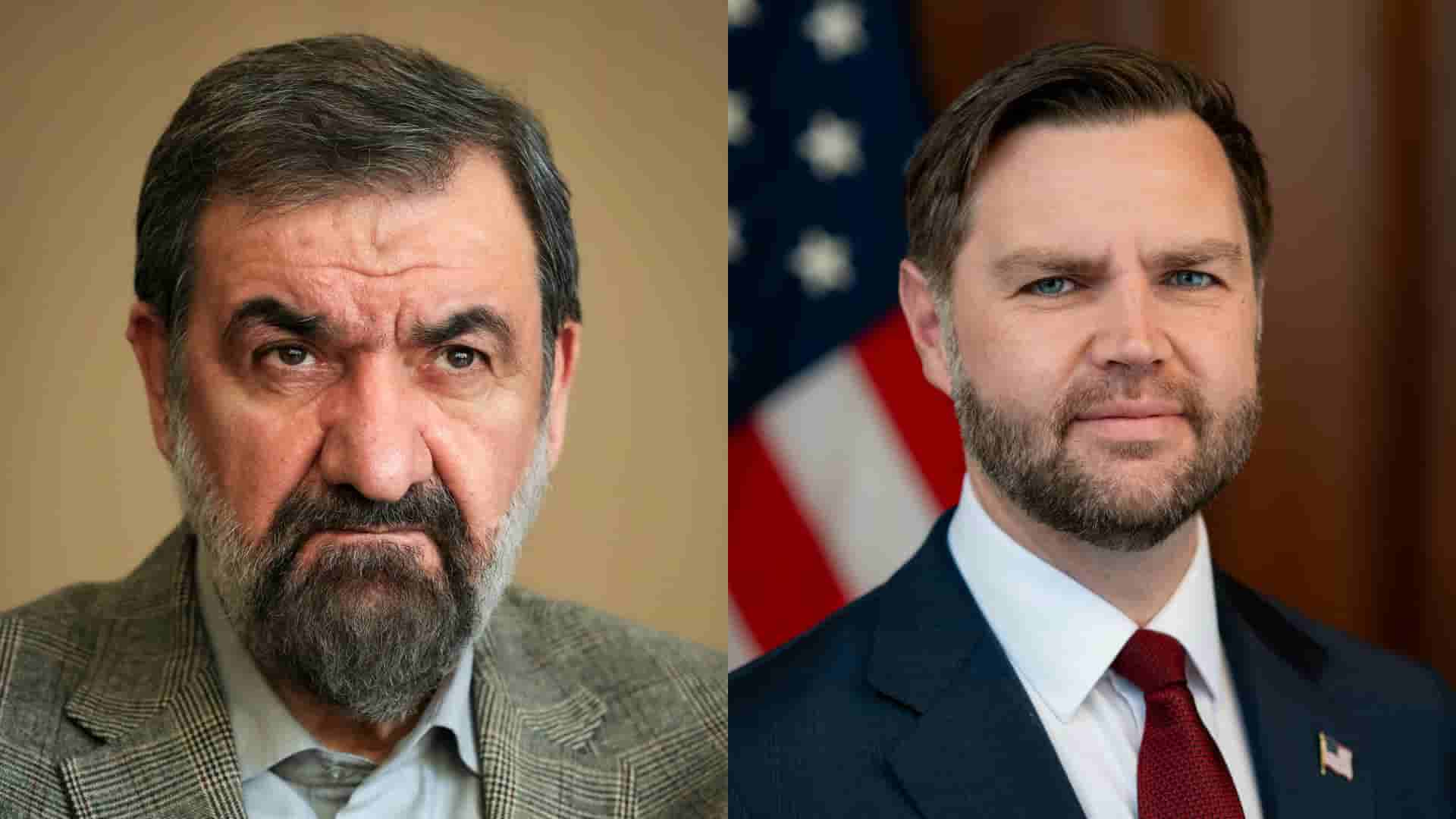
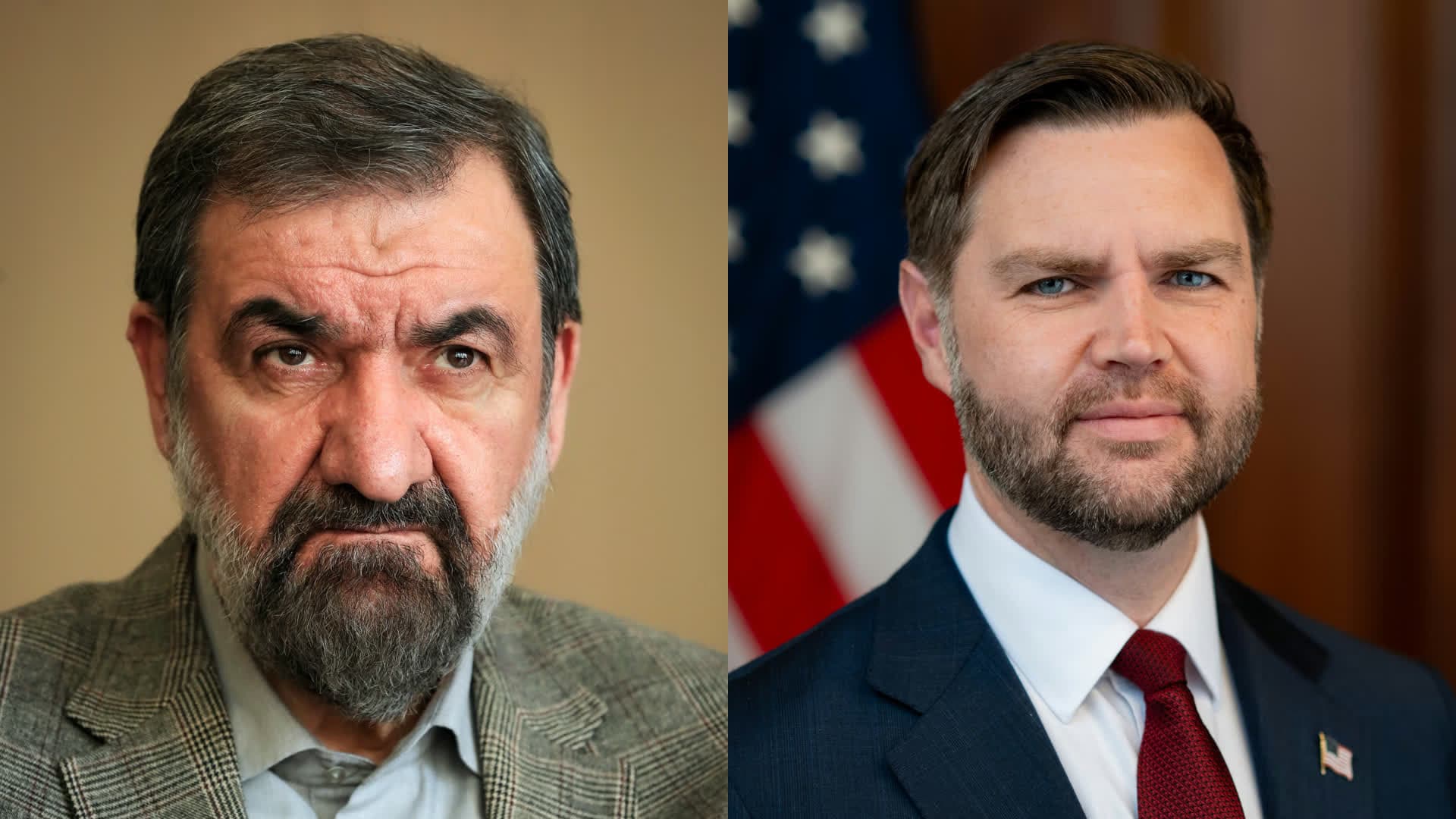
U.S. Vice President J.D. Vance offered Mohsen Rezaei, secretary of Iran’s Supreme National Security Council, a direct meeting to negotiate a settlement that would end the war, the Washington Post reported, citing a U.S. official familiar with the negotiations. The official said Istanbul and Doha were the most likely venues for the meeting if it is approved.
The message was delivered to Tehran through Qatari mediators, as Doha maintains communication channels with Rezaei and other senior Iranian officials. Iran’s Tasnim and Fars news agencies reported that Tehran had received the message but had not yet responded.
The nuclear issue is a condition for any negotiations
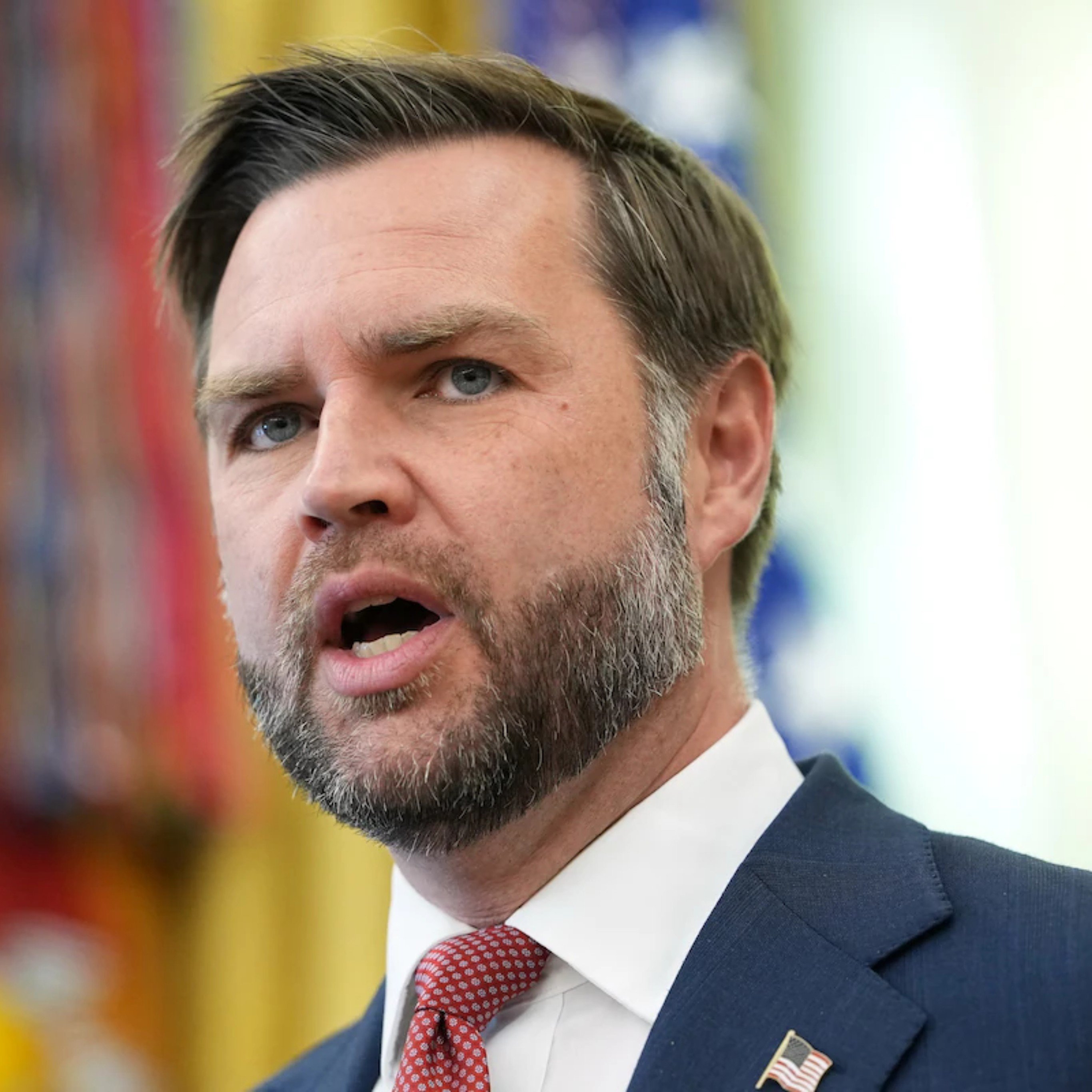
According to the reports, Vance linked the proposed talks to the national interests of both countries. He identified Washington’s main objective as preventing Iran from acquiring a nuclear weapon, while describing Iran’s interest as rebuilding its economy, weakened by war and sanctions, and preserving its sovereignty. He stressed that Tehran would need to send negotiators authorized to discuss the nuclear issue.
The Wall Street Journal reported that the message did not include specific peace terms, but proposed a “framework for negotiations” intended to test whether enough common ground existed to avert a brief and intensive U.S. strike in the coming weeks. The newspaper also reported that President Donald Trump had told his Gulf allies to prepare for such a campaign after the midterm elections.
Why Rezaei?
U.S. intelligence officials believe that Rezaei, the former commander of the Islamic Revolutionary Guard Corps, remains in regular contact with Supreme Leader Mojtaba Khamenei, and that the two communicated after the message arrived. Analysts at the International Crisis Group believe that sending the message to Rezaei may reflect a shift in Washington’s assessment of the centers of influence in Tehran.
Trump denied ordering Vance to send the message, saying he had given him the green light and describing the move as an offer to help Iran “with medical supplies and other things.”
Vance had led the U.S. delegation at talks in Switzerland in June, months after the United States joined Israel’s war against Iran in February. Iranian Foreign Minister Abbas Araghchi said this week that his country “continues to give diplomacy a chance,” while Türkiye, Pakistan and the Gulf states stepped up contacts with Tehran.
Stay Updated with Hilal Times
Subscribe to be informed about special news, developments and announcements. We will keep you informed.
By signing up, you agree to our Privacy Policy