Chinese President Xi Jinping’s visit to Cairo reflected Beijing’s approach to the Middle East, which addresses economic, diplomatic and security issues together. The visit, held on September 1–2, coincided with the 70th anniversary of diplomatic relations between China and Egypt.
Xi’s visit to Egypt, his first in 10 years, provided a framework for highlighting the historical ties between the two countries alongside current strategic objectives. The signing of more than 20 cooperation agreements during the visit also pointed to efforts to expand the scope of economic relations.
Cairo’s regional position
Egypt, the first Arab and African country to establish diplomatic relations with China in 1956, holds a special position for Beijing. Its location at the intersection of Africa, the Mediterranean, the Red Sea and the Middle East, its control of the Suez Canal and its diplomatic weight on the Palestinian issue make Cairo an important partner for China.
Xi described China-Egypt relations as an example of solidarity and cooperation among developing countries. The Chinese leader visited the Grand Egyptian Museum with Egyptian President Abdel Fattah el-Sisi, describing the two countries as civilizations with deep roots.
New areas in economic ties
While trade, investment, infrastructure, energy and connectivity remain priorities in China’s regional policy, areas of cooperation are also expanding. In addition to infrastructure projects under the Belt and Road Initiative, data centers, semiconductors, critical minerals, the digital economy, electric vehicles, green energy and high technology are emerging as prominent areas.
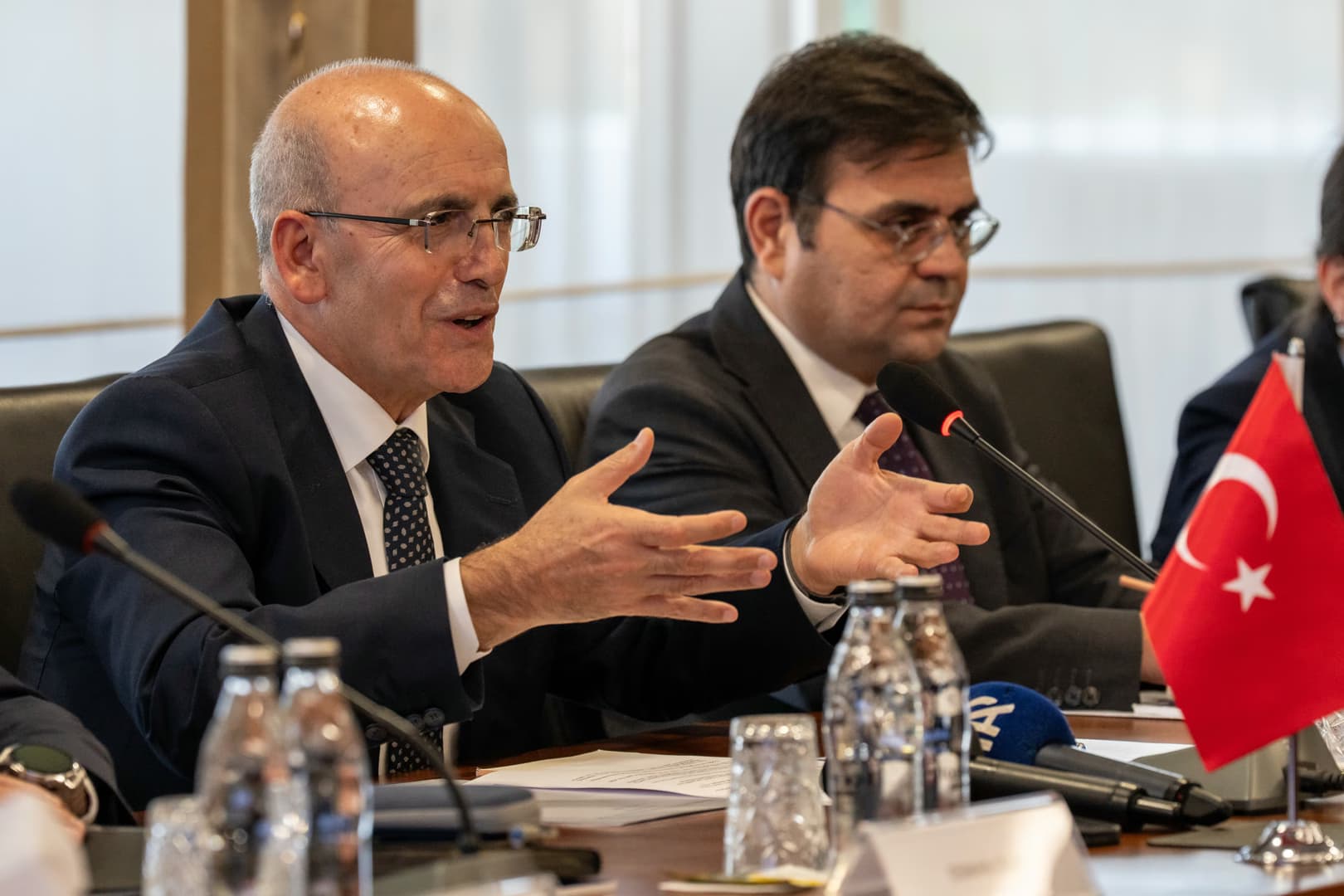
Dr. Kadir Temiz, head of the Center for Middle Eastern Studies, said the visit reflected China’s economic, diplomatic and security priorities in the region at the same time. Temiz’s assessment listed the structural slowdown in the Chinese economy, problems with domestic demand and the real estate sector, and pressure from regional conflicts on energy markets among the factors increasing Beijing’s economic interest in the Middle East.
Regional security and the emphasis on civilizations
The security approach Xi outlined in Cairo emphasized that the peoples of the region should make their own decisions, external intervention should be reduced, security should be addressed comprehensively and development should be placed at the foundation of security. Strengthening international coordination was also highlighted as part of this approach.
This framework reflects China’s pursuit of an order in which regional countries gain greater strategic autonomy and Beijing exerts influence through its economic and diplomatic weight. Addressing security alongside the economy during the visit showed that China does not limit its role in the Middle East to trade and investment.
Xi also called for equality among civilizations, mutual learning, dialogue and inclusiveness under the Global Civilization Initiative. Egypt’s ancient civilizational heritage, strong state tradition and political position in the Global South make Cairo one of the initiative’s important partners.
Overall, the visit demonstrated China’s effort to increase its weight in the Middle East in the areas of energy, trade, development, diplomacy and regional security.