- BIST10011,483+1.32%
- USD50.07+0.05%
- EUR55.96-0.52%
- GOLD4,074.90-0.94%
- INTEREST36.00%-1.00
- BITCOIN75,680-0.10%
- November 8, 20267°
- BIST10011,483+1.32%
- USD50.07+0.05%
- EUR55.96-0.52%
- GOLD4,074.90-0.94%
- INTEREST36.00%-1.00
- BITCOIN75,680-0.10%
- November 8, 20267°
UN refugee agency: Nearly 90 million displaced people face rising climate risks
The United Nations High Commissioner for Refugees warned that nearly 90 million forcibly displaced people live in countries facing growing risks from drought, floods and extreme heat. Ahead of the COP31 climate summit in Antalya, it called for increased funding for climate change adaptation.
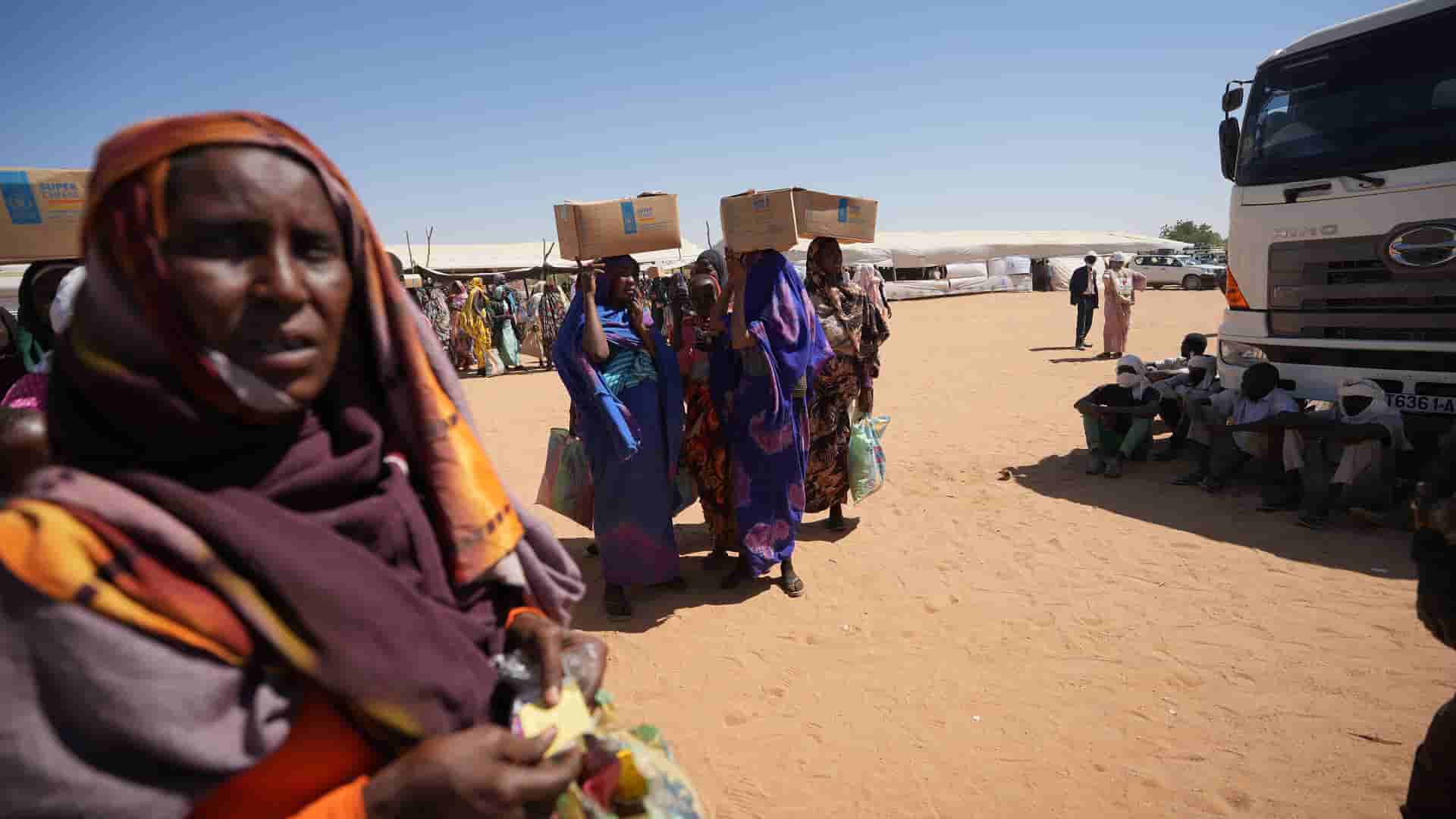
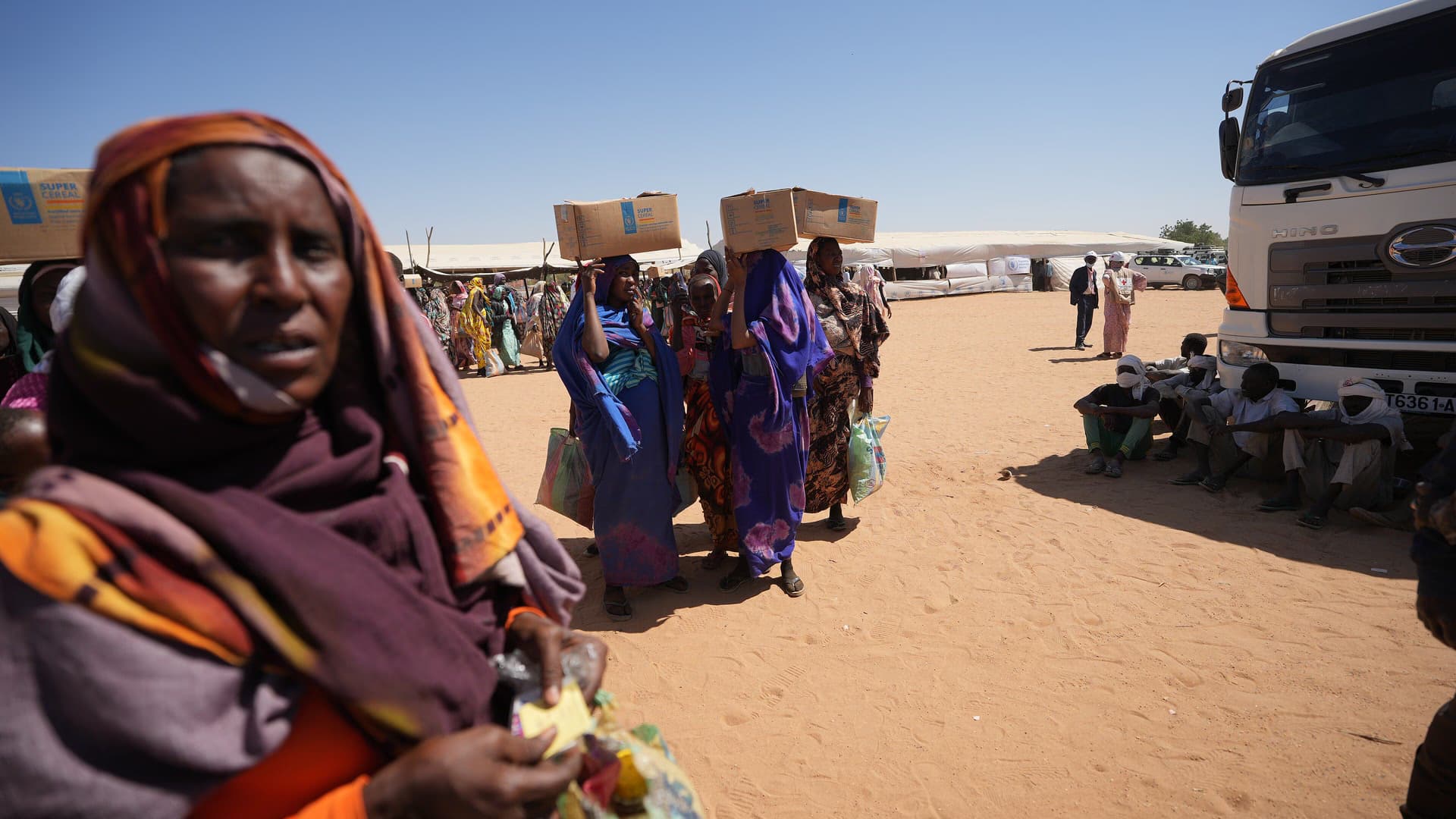
The United Nations High Commissioner for Refugees said on Friday, November 6, that nearly 90 million forcibly displaced people live in countries increasingly exposed to drought, floods and extreme heat. The agency warned that current funding is insufficient to help the most vulnerable communities adapt, Reuters reported.
The report, published ahead of the United Nations Climate Change Conference COP31 in Antalya, Türkiye, said that nearly three-quarters of the world’s forcibly displaced people live in countries facing severe climate risks, such as Afghanistan and Bangladesh. This highlights the growing overlap between conflict, displacement and climate change.
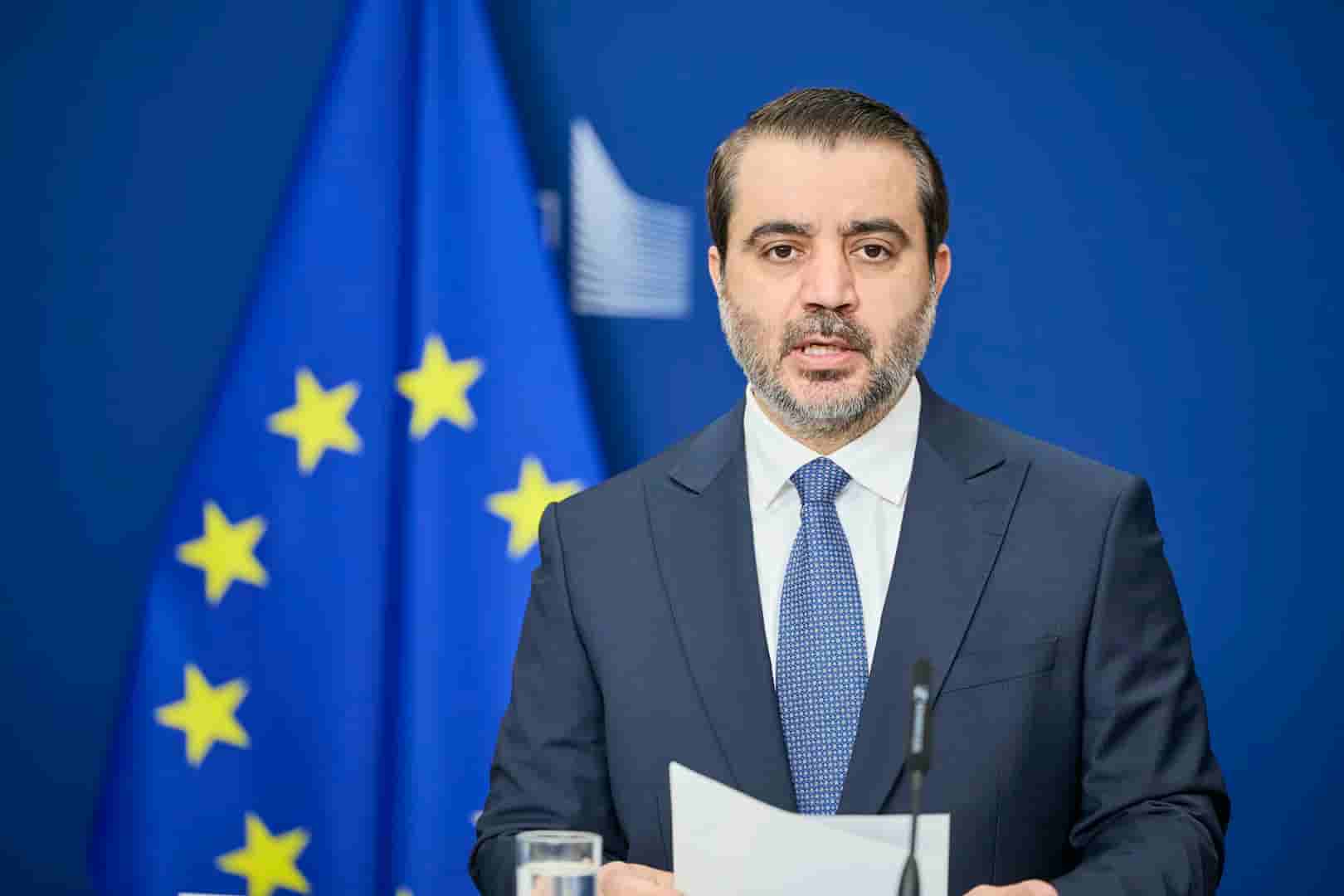
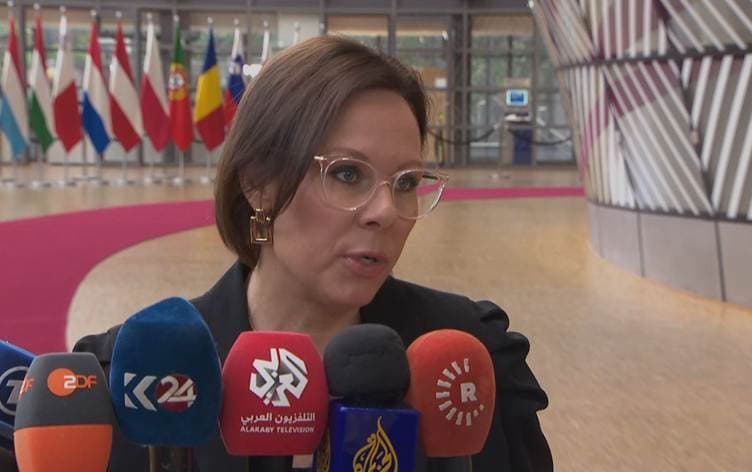
António Lies García, Assistant High Commissioner for Operations, said: “Climate adaptation in fragile and displacement-affected areas is a matter of survival. We need climate funding to reach the communities where needs are greatest.”
From El Fasher to eastern Chad
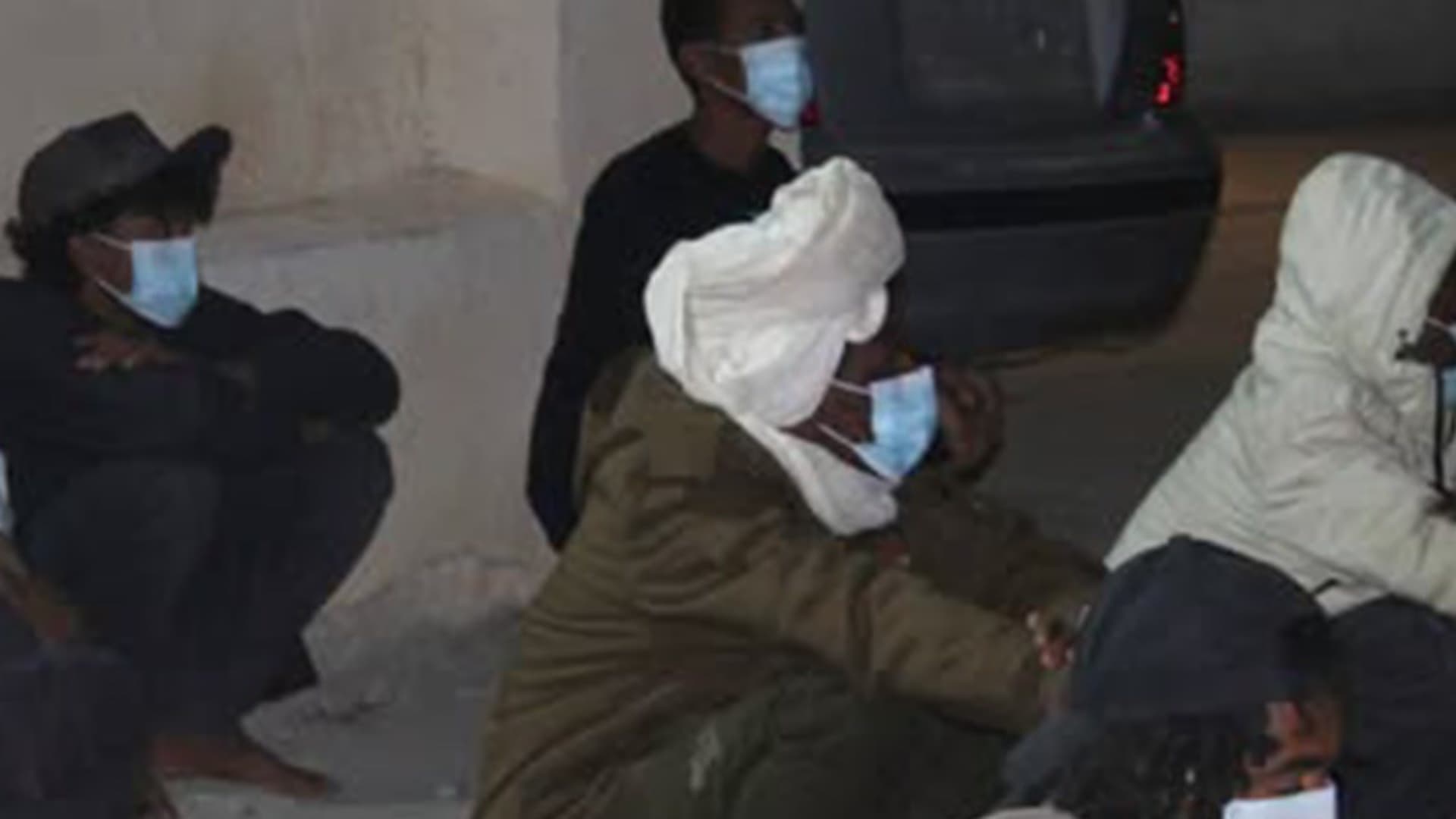
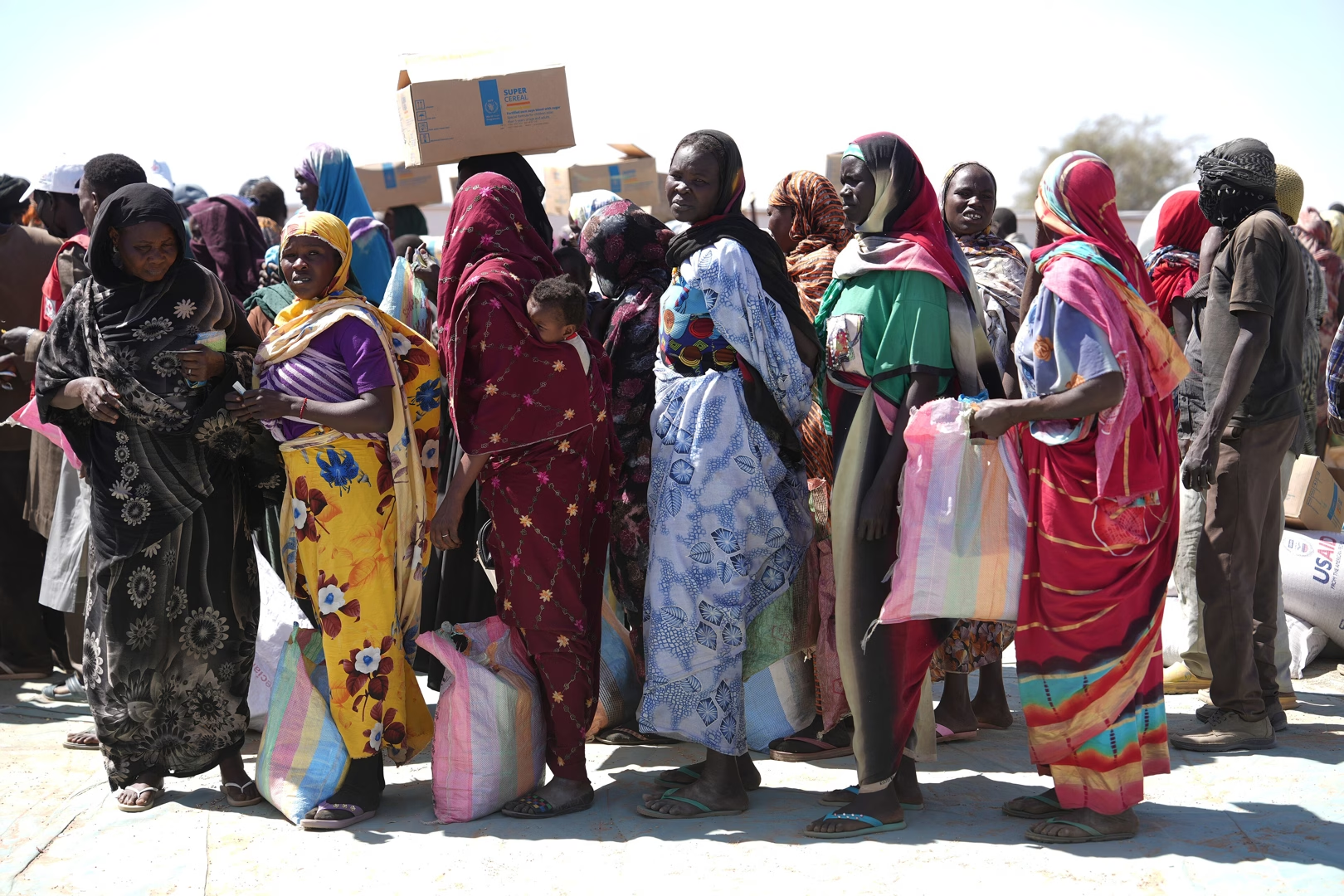
The report highlighted the experience of a Sudanese refugee who fled the conflict in the city of El Fasher in June 2023 to the Farchana refugee camp in eastern Chad. She said she sometimes went an entire week without finding safe drinking water and had to travel increasingly longer distances to reach alternative sources, as nearby seasonal riverbeds dried up due to intensifying heat.
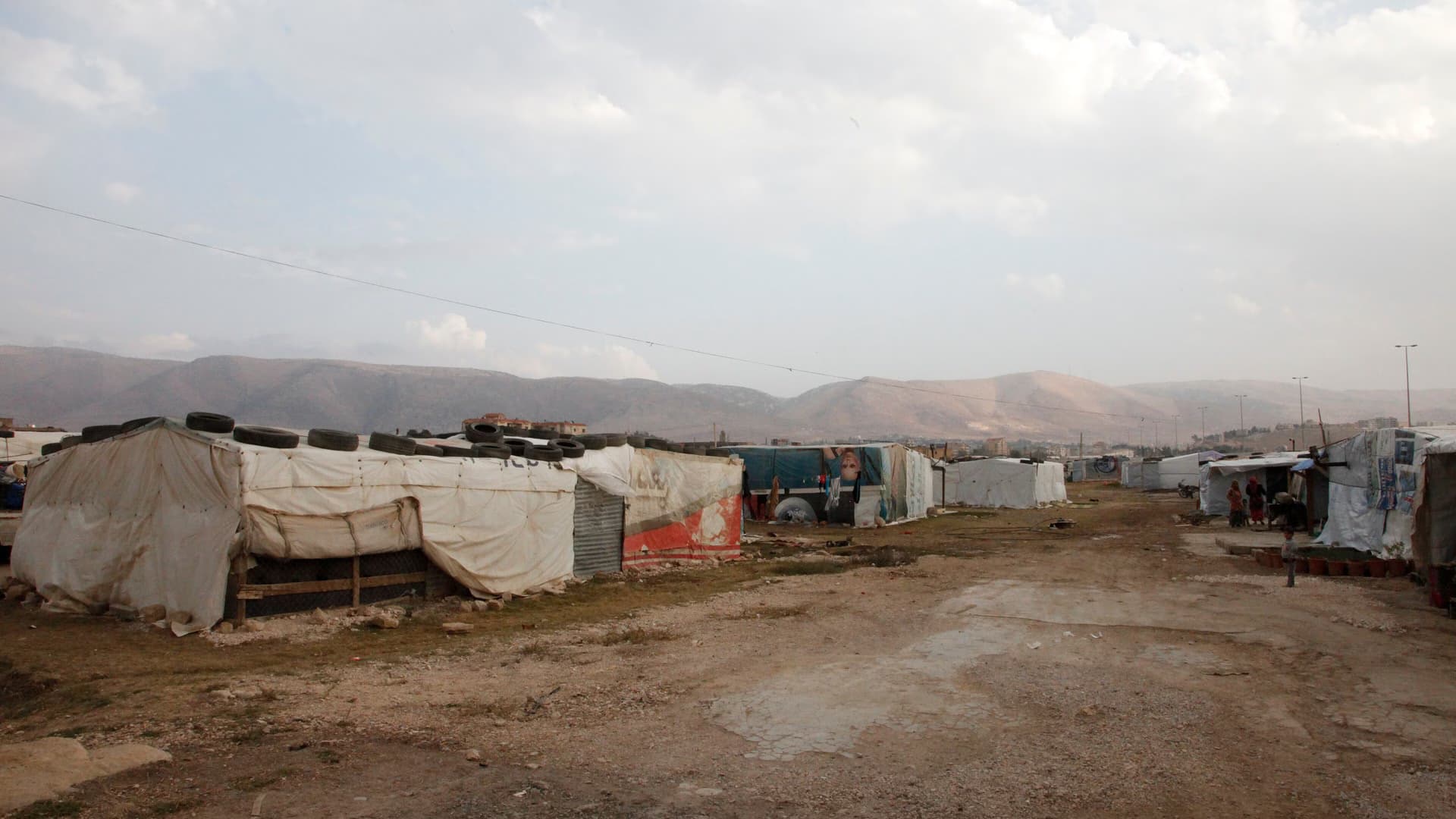
The report warned that by 2050, one in three refugee camps in sub-Saharan Africa could experience at least 100 days of dangerous heat each year. Some camps in Ethiopia, including Hilaweyn, could face more than 200 days of dangerous heat annually, increasing the risks of heatstroke and premature death.
Returning to Syria under climate pressure
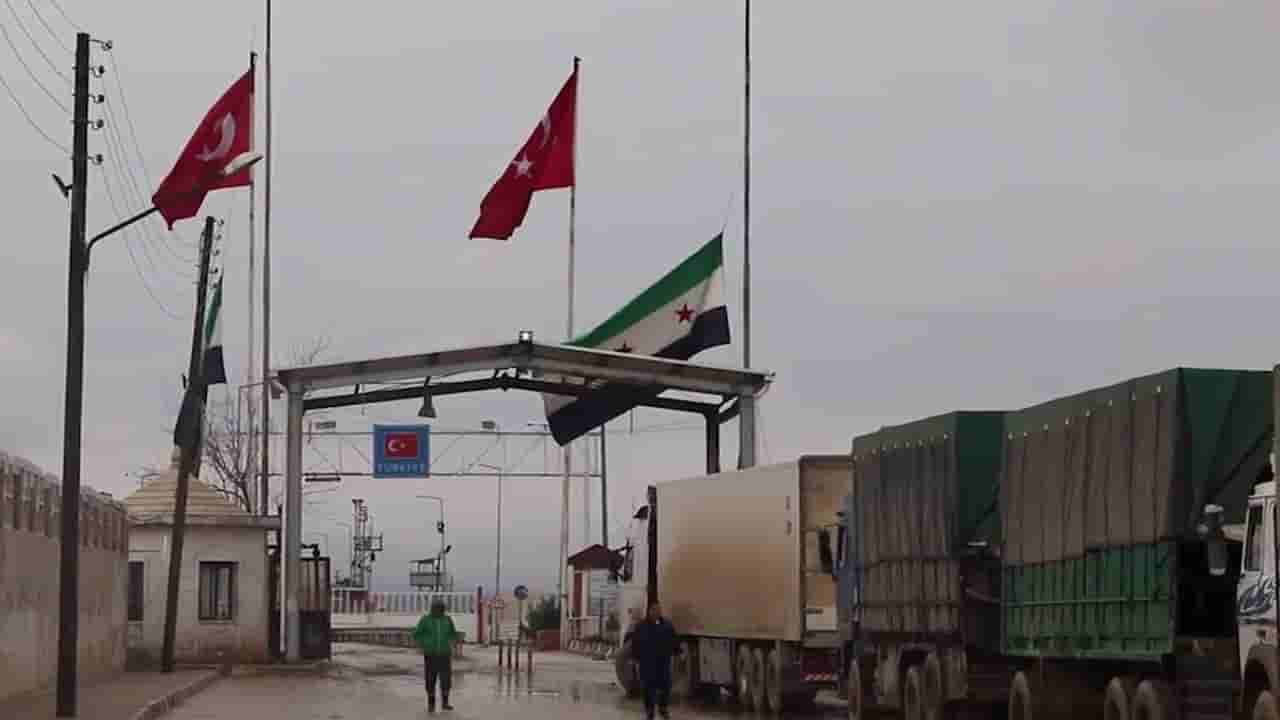
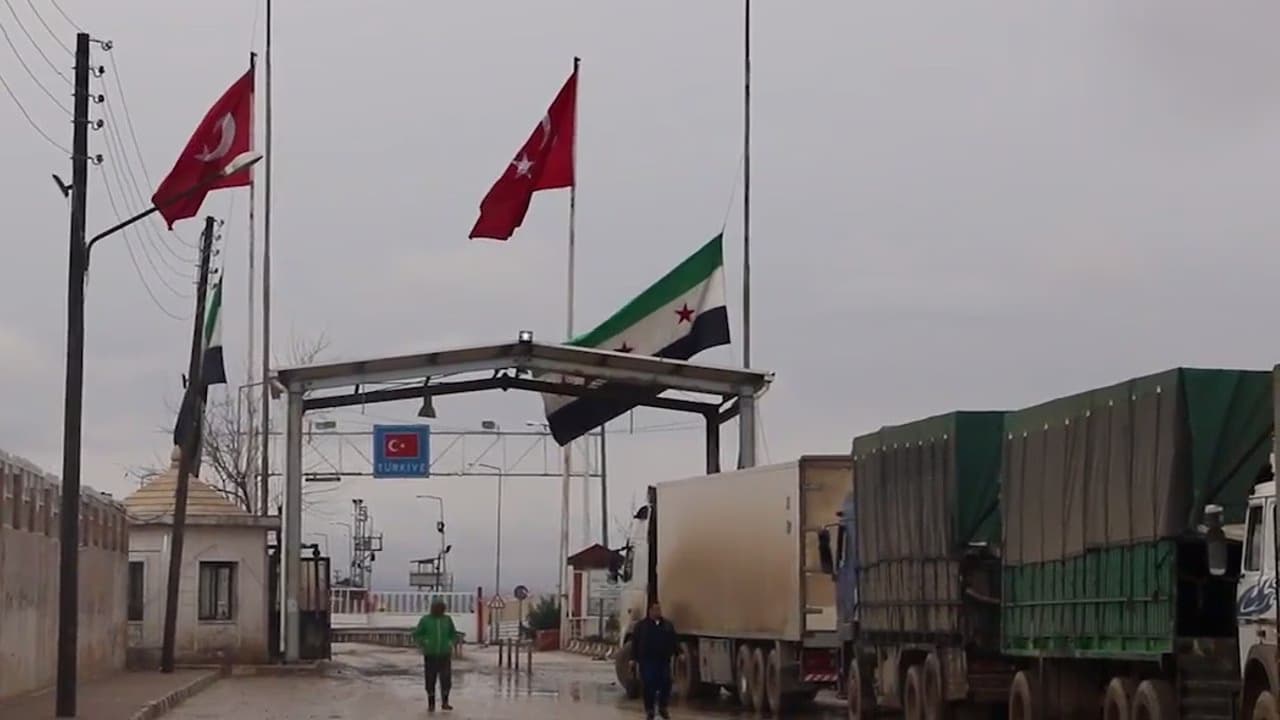
The report said climate change is making sustainable returns home more difficult. More than two-thirds of refugee returns in the first half of 2026 were to countries highly exposed to climate risks, putting returnees at risk of being displaced again. In Syria, where around 4 million displaced people have recently returned, residents face growing water shortages and fluctuating rainfall, while May floods along the Euphrates River damaged homes and displaced thousands.
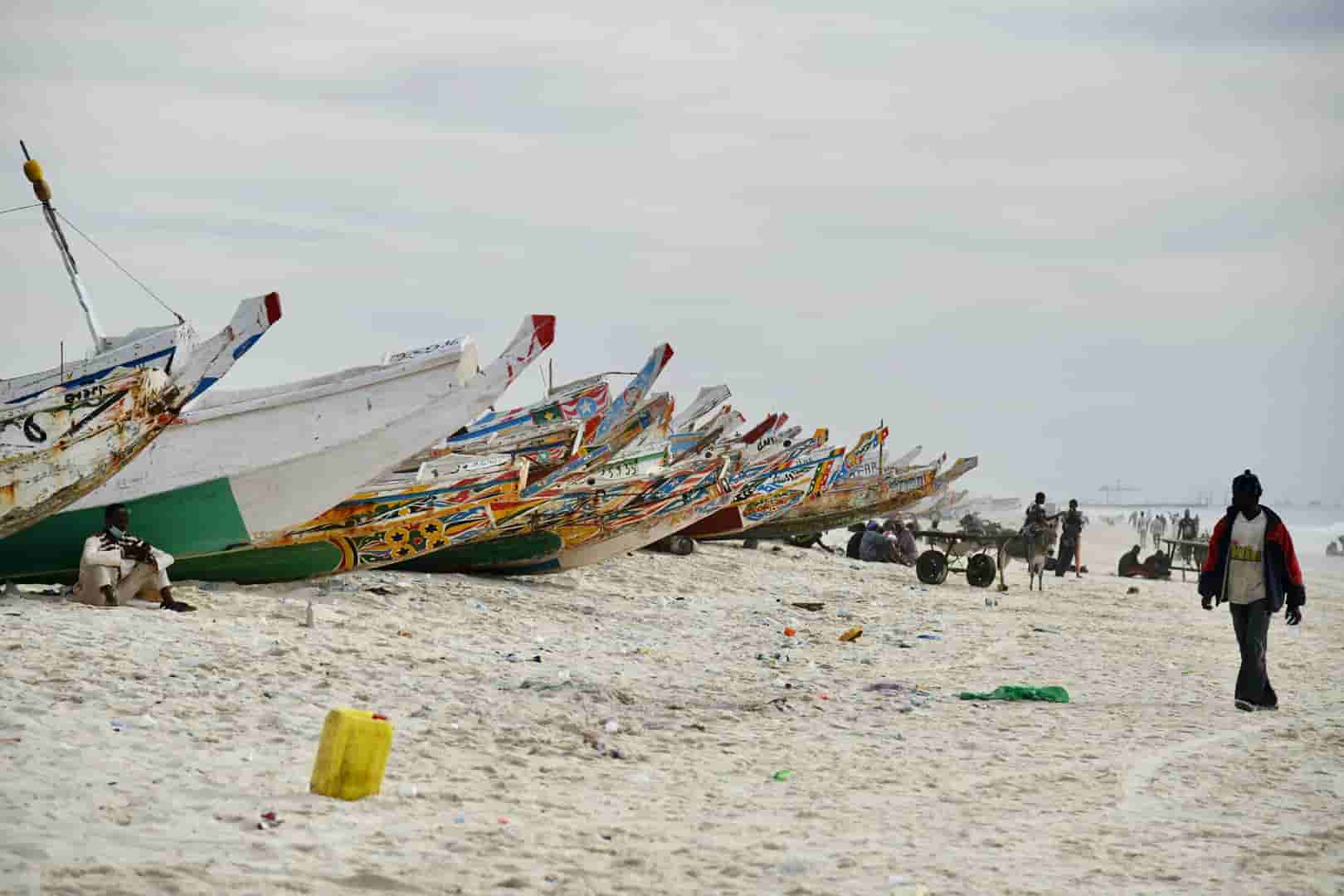
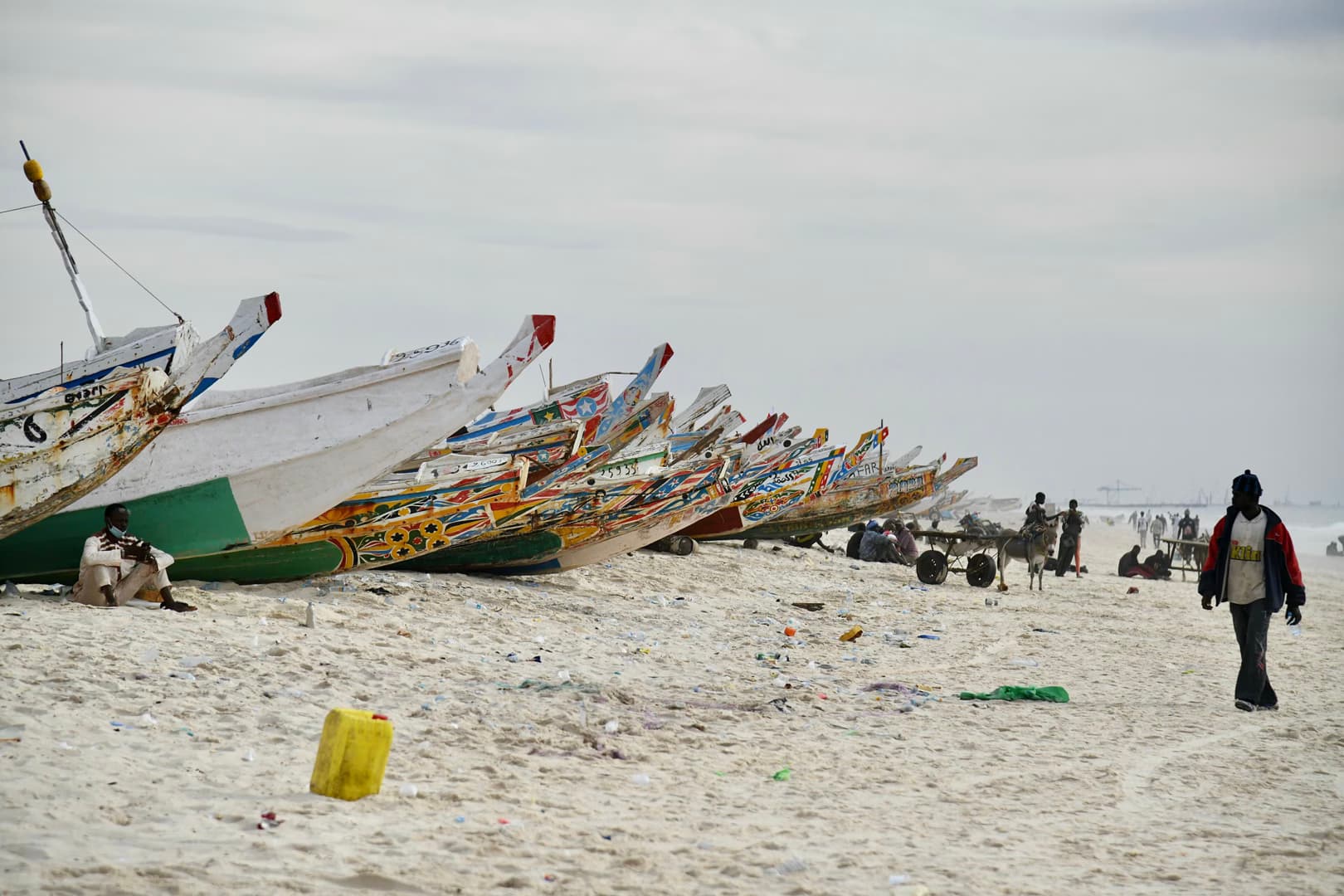
The agency also warned that an expected strong El Niño could worsen risks in many refugee-hosting countries. It said severe flooding in East Africa could displace up to 3 million people in Somalia, Kenya, South Sudan and Uganda by the end of the year, while drought, floods and conflict in the Sahel could intensify competition for scarce resources.
The agency called on governments and climate finance institutions participating in COP31 to increase adaptation funding, noting that only around 10% of climate finance reaches fragile or conflict-affected countries.
Images: Wikimedia Commons (archive). Source: Reuters
Have a story, event or announcement of your own?Send us your news on WhatsApp
Spotted an error in this story?Report it on WhatsApp
Share on all social platforms
Sponsored Ads
Featured Listings
Loading featured properties...
Stay Updated with Hilal Times
Subscribe to be informed about special news, developments and announcements. We will keep you informed.
By signing up, you agree to our Privacy Policy